Gambling addiction is not about luck. It is a compulsive behavior that quietly forms around wins, losses, and the emotional rollercoaster between them. While many can place a bet and walk away, others get stuck in a loop that erodes finances, relationships, and mental health.
What Drives the Addiction
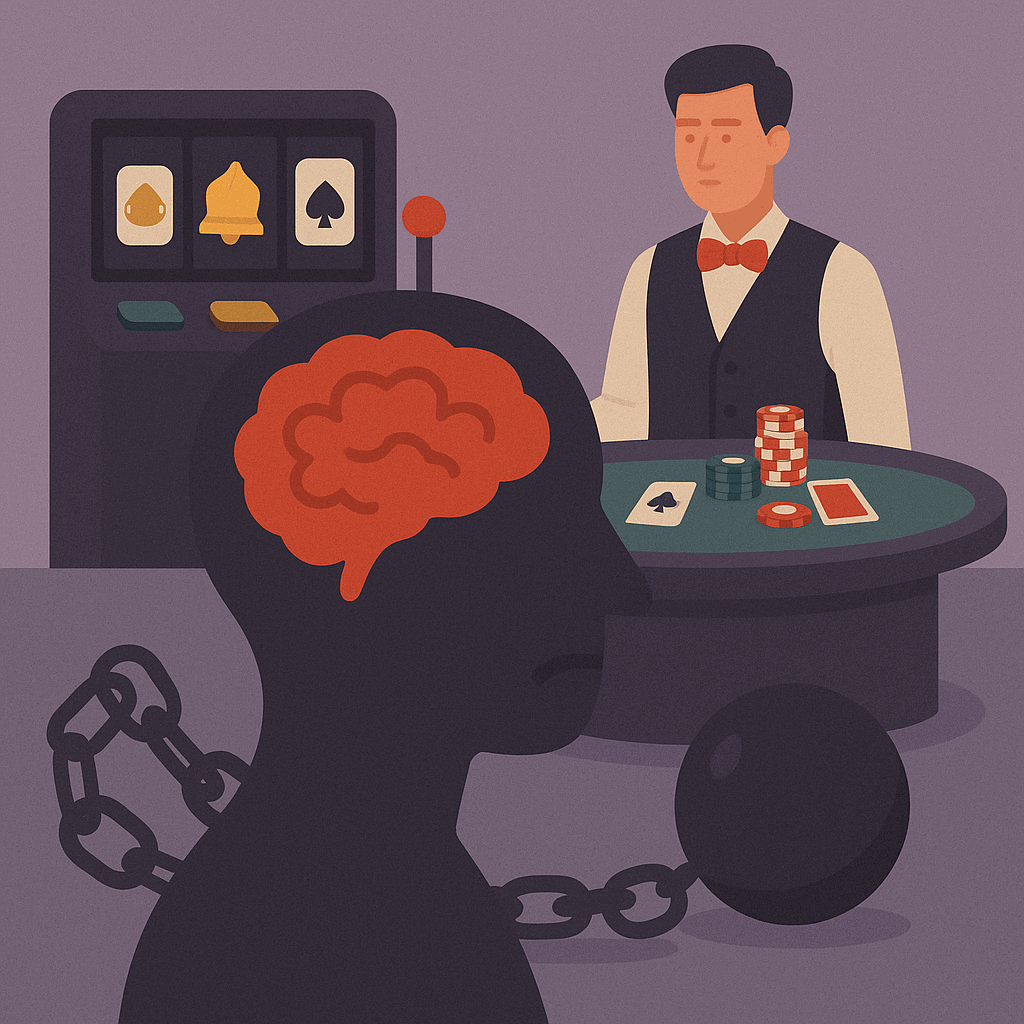
At its core, gambling activates the same reward system as drugs or alcohol. Every win releases dopamine, reinforcing the desire to keep playing. Losses, oddly enough, often do the same by sparking the urge to recover.
Over time, the brain becomes conditioned to seek this stimulation regardless of outcome. The person chases the thrill, not the profit. That is why some continue gambling even after losing large sums or falling into debt.
For many, the addiction begins subtly. Occasional bets become regular ones. Wins become the justification to risk more. Losses become motivation to double down. At some point, it is no longer about entertainment.
How to Spot the Problem
It is not always easy to recognize a gambling problem early. But there are warning signs that should not be ignored:
- Constant thoughts about gambling
- Lying about the time or money spent
- Borrowing or stealing to fund bets
- Emotional swings tied to wins and losses
- Neglecting work, relationships, or responsibilities
Many people hide their habits, especially in the early stages. Shame and denial make it harder to seek help. But early recognition increases the chances of recovery.
Effective Treatment Methods
There is no universal cure, but there are proven ways to manage and overcome gambling addiction. Cognitive behavioral therapy (CBT) helps identify triggers and reframe destructive thoughts. It is one of the most widely used and effective approaches.
Self-exclusion programs and blocking software prevent access to betting platforms. While not a solution in themselves, they create distance during recovery. Support groups such as Gamblers Anonymous provide structure and peer understanding. Sharing experiences with others facing similar struggles can reduce isolation and build accountability.
For severe cases, professional counseling or inpatient treatment may be necessary. In some countries, specialized rehabilitation centers now offer focused care for gambling addiction.
Building a Sustainable Recovery
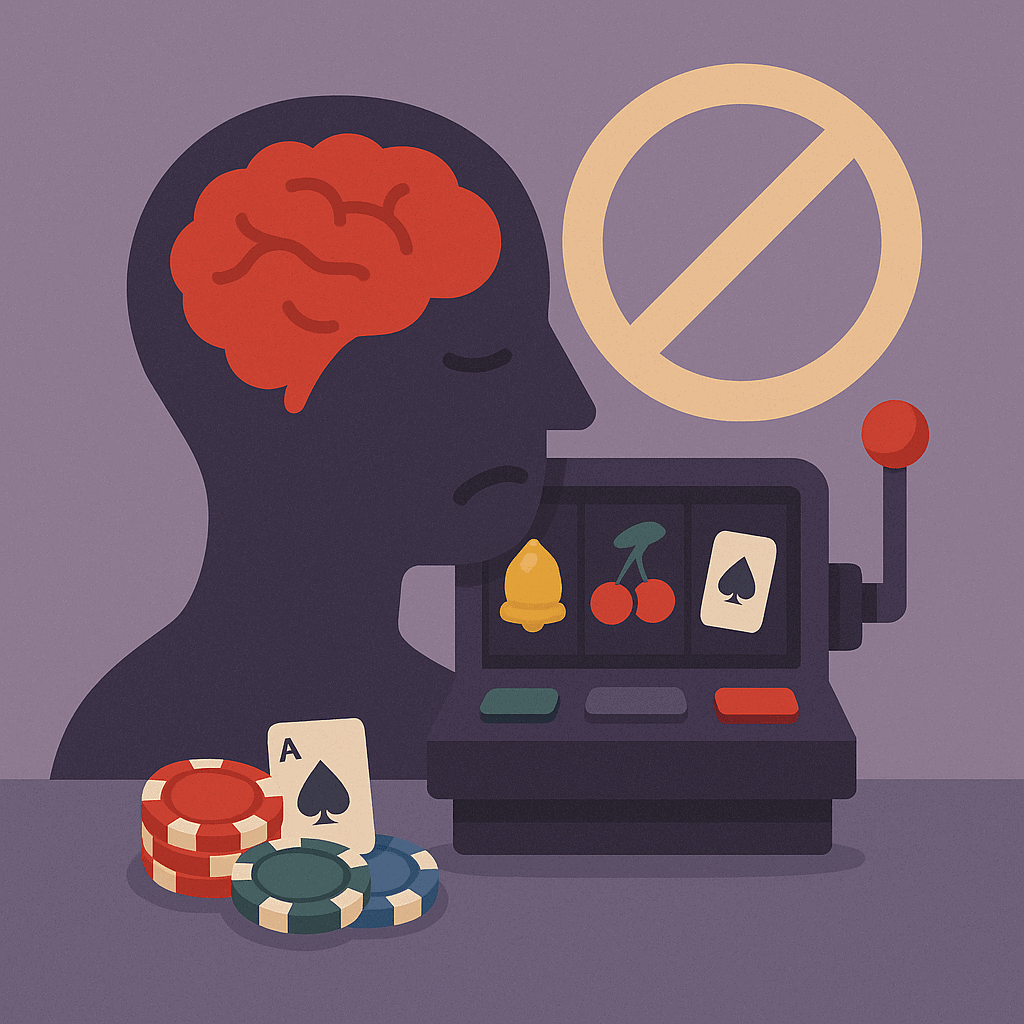
Recovery does not end with stopping the behavior. It requires long-term strategies to rebuild self-control and restore balance.
This includes managing stress, building financial literacy, and finding healthier ways to seek excitement or escape. Family involvement and stable routines also play a key role in relapse prevention.
Addiction thrives in secrecy. The more openly it is addressed, the more tools become available.
Final Thought
Gambling addiction is not a weakness. It is a psychological trap that anyone can fall into. With timely support and structured treatment, recovery is not only possible, it is achievable.