Blockchain has done more than create new currencies. It has redefined how online gambling works. Crypto casinos powered by Web3 tools are replacing opaque systems with code-driven fairness, user-owned wallets, and frictionless access.
Transparency Through Blockchain
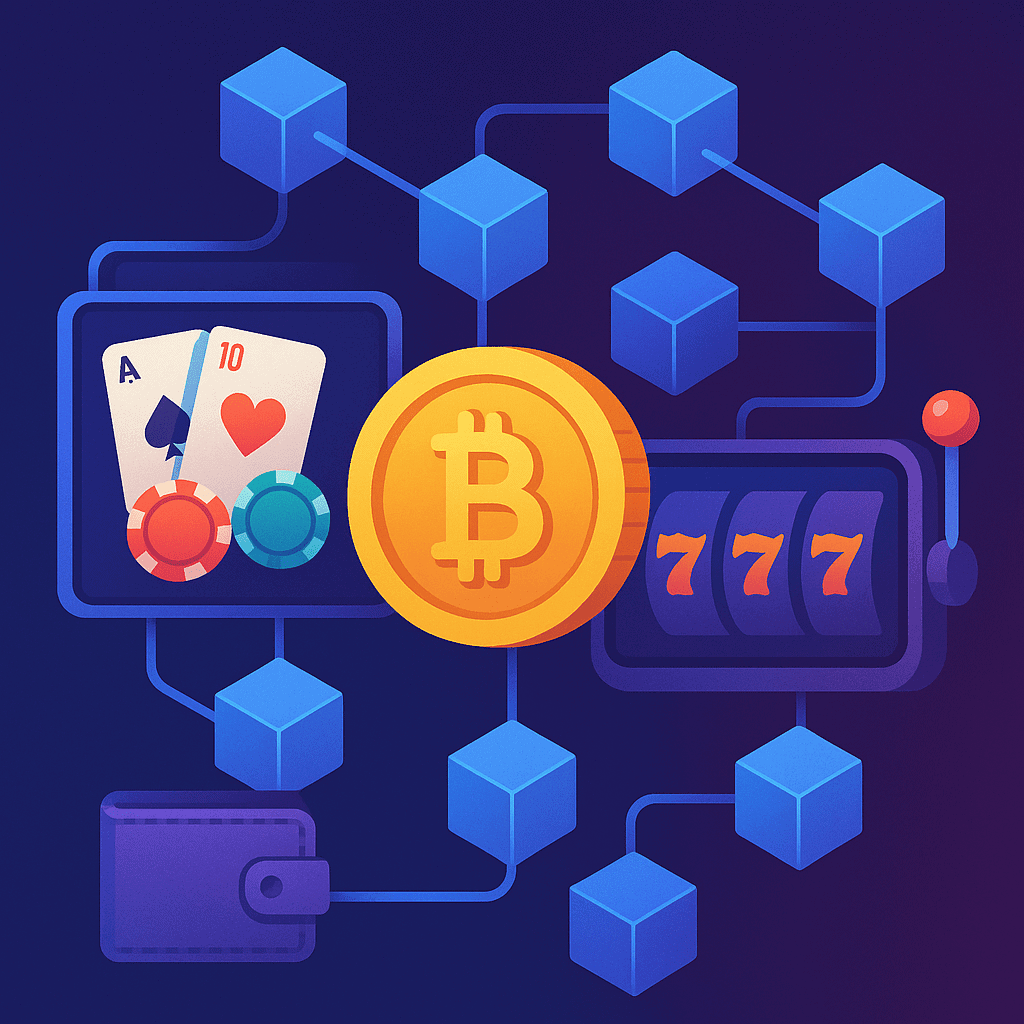
One of the core problems with traditional casinos is trust. Players must rely on a centralized platform to calculate odds, distribute winnings, and manage funds. In crypto casinos, these functions can be audited on-chain.
Smart contracts control games and payouts. Players can verify that outcomes were not manipulated. Blockchain records are immutable, meaning no result can be changed after the fact.
This level of transparency appeals to experienced users who understand how to read and trust on-chain data. It builds confidence without requiring blind faith in the platform.
Wallets Over Accounts
Web3 eliminates the need for traditional accounts. Players connect via crypto wallets like MetaMask or OKX Wallet. No registration. No passwords. No stored personal data.
This setup reduces the risk of identity theft and lets players stay anonymous if they choose. It also makes access more global. A user from any region can join a game as long as they hold supported tokens.
The wallet becomes both the login and the bankroll. It adds convenience while removing unnecessary intermediaries.
Payments Without Friction
Deposits and withdrawals at traditional casinos often take hours or days. Bank delays, verifications, and withdrawal limits create friction.
In contrast, crypto casinos operate with near-instant settlement. A user can send USDT or ETH to the contract and receive winnings within minutes, depending on the network.
This fluidity improves the overall experience. Faster payments mean less time waiting and more time playing.
DeFi Integration and Staking
Some Web3 casinos now integrate DeFi tools. Users can stake platform tokens, provide liquidity, or earn yield while they play.
This model encourages longer engagement and deeper user alignment. Players are not just customers but token holders with a stake in the ecosystem.
However, this also introduces financial complexity. Not every player wants to manage LP positions or navigate staking protocols. For them, the core appeal remains fast, transparent gaming.
Challenges and Risks
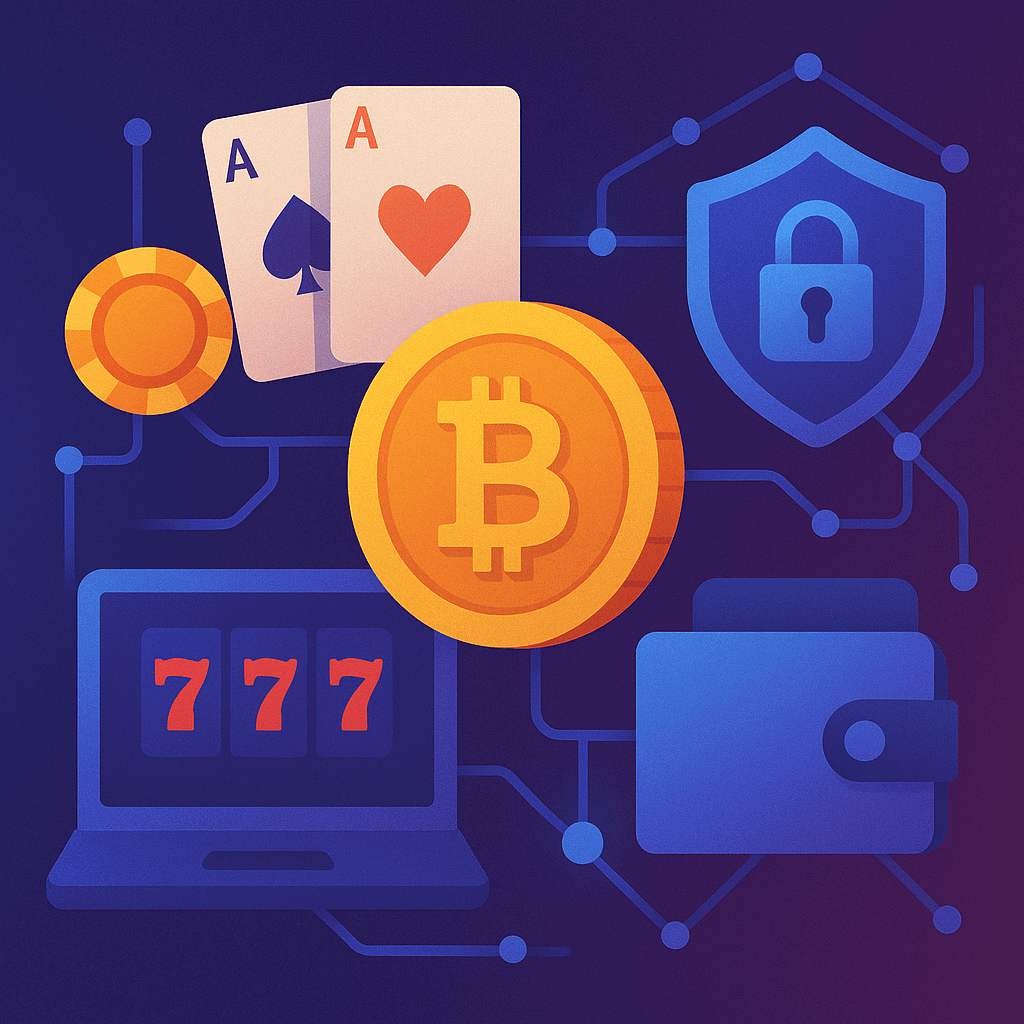
Despite the benefits, Web3 casinos are not without issues. Smart contract bugs, phishing scams, and volatile token prices pose real threats.
Security depends on clean code, trusted audits, and user awareness. A fully decentralized platform is only as safe as its weakest contract or interface.
Additionally, regulatory oversight remains limited. While some regions embrace crypto gambling, others ban it outright or operate in legal gray zones.
The Outlook
Web3 does not just offer an upgrade to casino tech. It rewrites the rules of ownership, identity, and trust. Crypto casinos are still evolving, but they already point to a future where users have more control, and fewer reasons to wait.