
The mechanics of gambling are designed to captivate. But beneath the flashing lights and spinning reels lies a neurological process that directly shapes behavior, emotions, and decision-making. Neuroscience and psychology continue to reveal how gambling activates deep reward systems and reinforces risky patterns.
Dopamine and the Reward Circuit
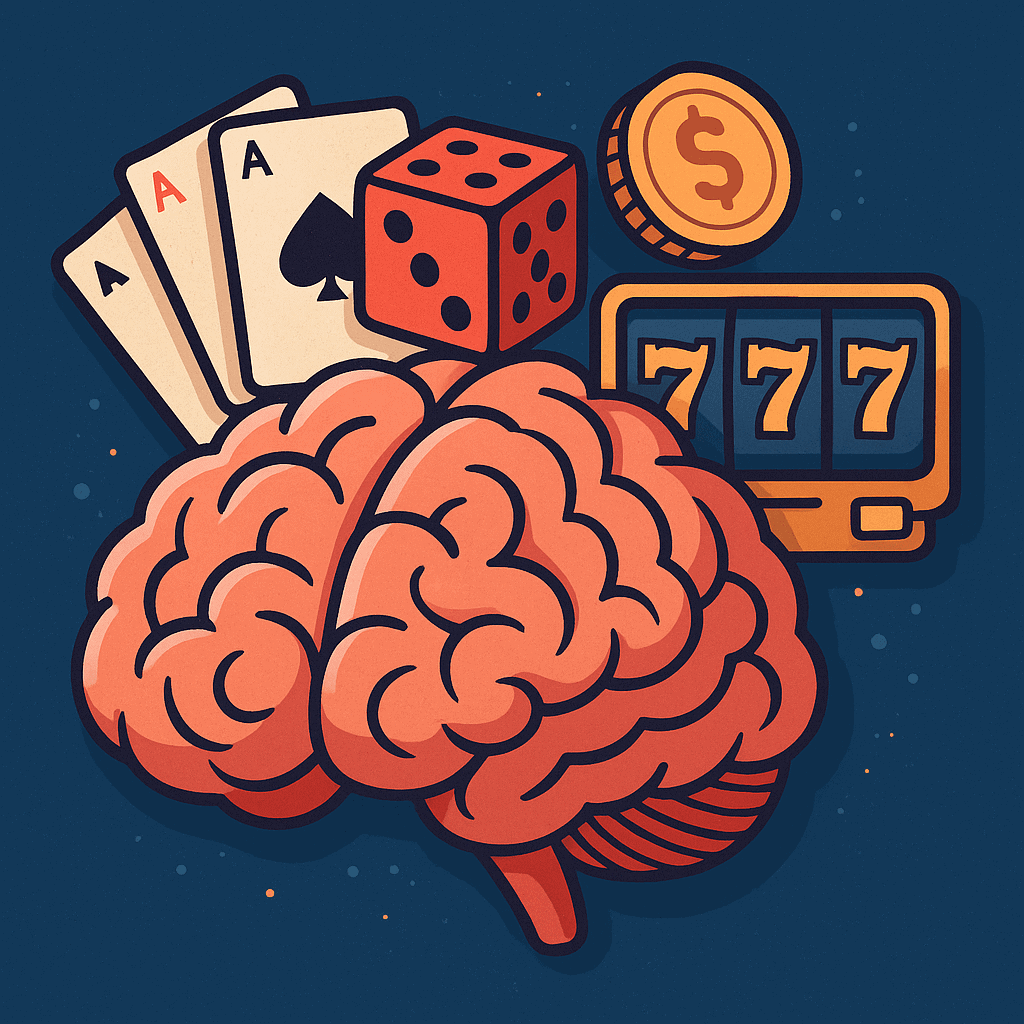
The brain treats gambling wins similarly to how it processes addictive substances. When a player experiences a near-miss or a jackpot, the brain releases dopamine, a neurotransmitter linked to pleasure and motivation.
Functional MRI scans show that gambling stimulates the ventral striatum, the same area activated by drug use and other rewards. This activity encourages repetition, even if the player is losing money overall. The inconsistency of rewards, known as variable-ratio reinforcement, is particularly powerful. It creates anticipation and a heightened sense of control that often leads players to underestimate risk.
Illusion of Control and Risk Distortion
Gamblers frequently believe they have influence over outcomes that are purely random. This illusion of control is especially strong in games like slots or roulette, where timing or choice seems to matter but has no actual impact.
Studies have shown that this cognitive distortion can persist even after repeated losses. The brain responds to small wins or near-misses in ways similar to actual wins, reinforcing behavior even when there is no net gain.
In controlled experiments, participants consistently overestimated their chances of winning and misremembered outcomes. The sense of agency, even in chance-based games, can override rational thinking.
Escalation and Compulsive Patterns
Gambling disorder is now recognized as a behavioral addiction. Like substance addictions, it involves changes in the prefrontal cortex and limbic system.
The prefrontal cortex, which governs self-control and decision-making, becomes less responsive in problem gamblers. This leads to impulsive behavior and difficulty resisting urges. Simultaneously, the amygdala and hippocampus, which process emotional memories, reinforce the highs of wins and minimize the impact of losses.
Longitudinal studies show that continued gambling can reshape neural pathways, making it increasingly difficult to stop. Social isolation, stress, and financial pressure can accelerate this decline.
Social and Demographic Patterns
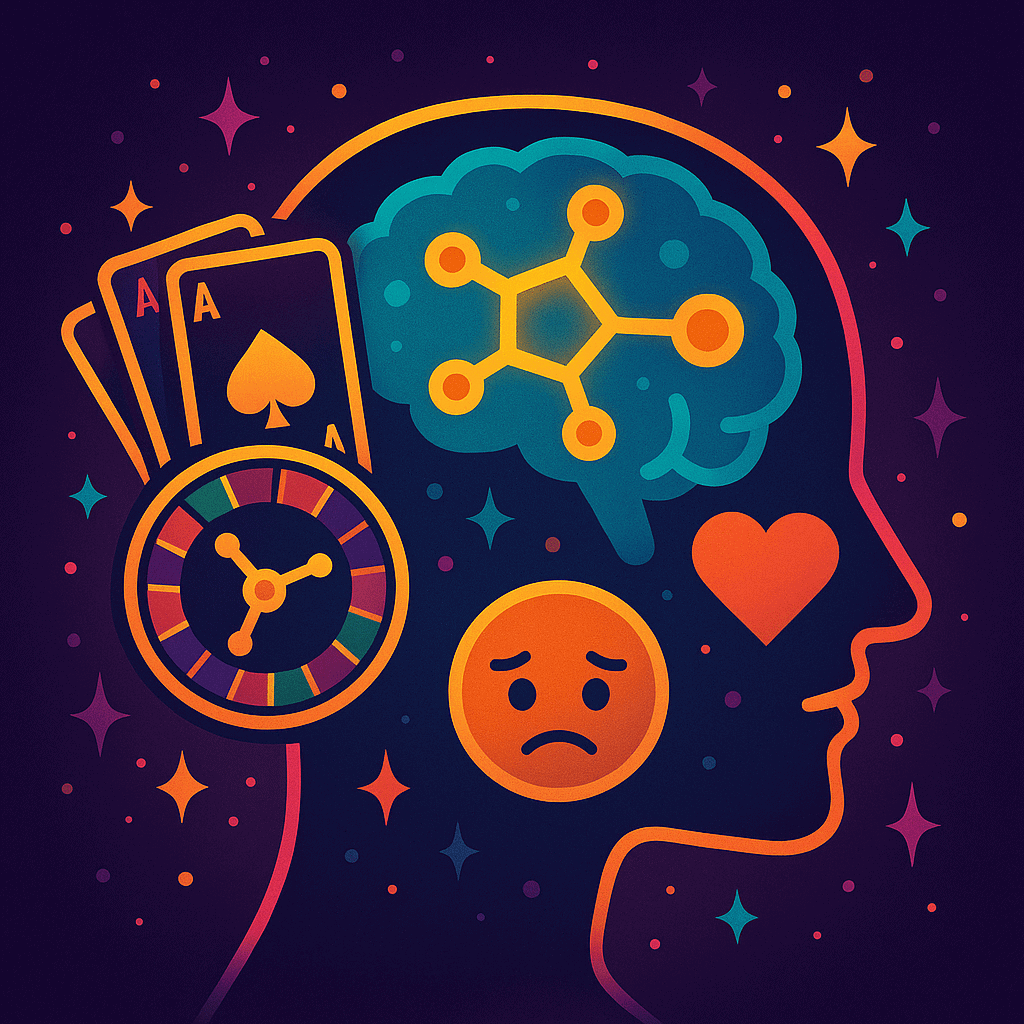
Gambling behavior varies by age, gender, and socioeconomic status. Men are statistically more likely to take higher risks and pursue gambling aggressively, while women more often gamble for emotional escape.
Young people are especially vulnerable. Adolescents show heightened dopamine sensitivity and underdeveloped risk-assessment abilities, making early exposure to gambling particularly risky.
Final Thoughts
Scientific research confirms what many suspect intuitively: gambling is not just a pastime. It interacts directly with brain chemistry and decision-making systems, sometimes with lasting consequences. Recognizing these effects is key to creating safer environments and better tools for intervention.