
Return to Player (RTP) and volatility are key metrics in slot mechanics that influence how players perceive and experience gameplay. While many users chase bonus rounds and jackpots, understanding these two concepts helps explain the real behavior behind the reels.
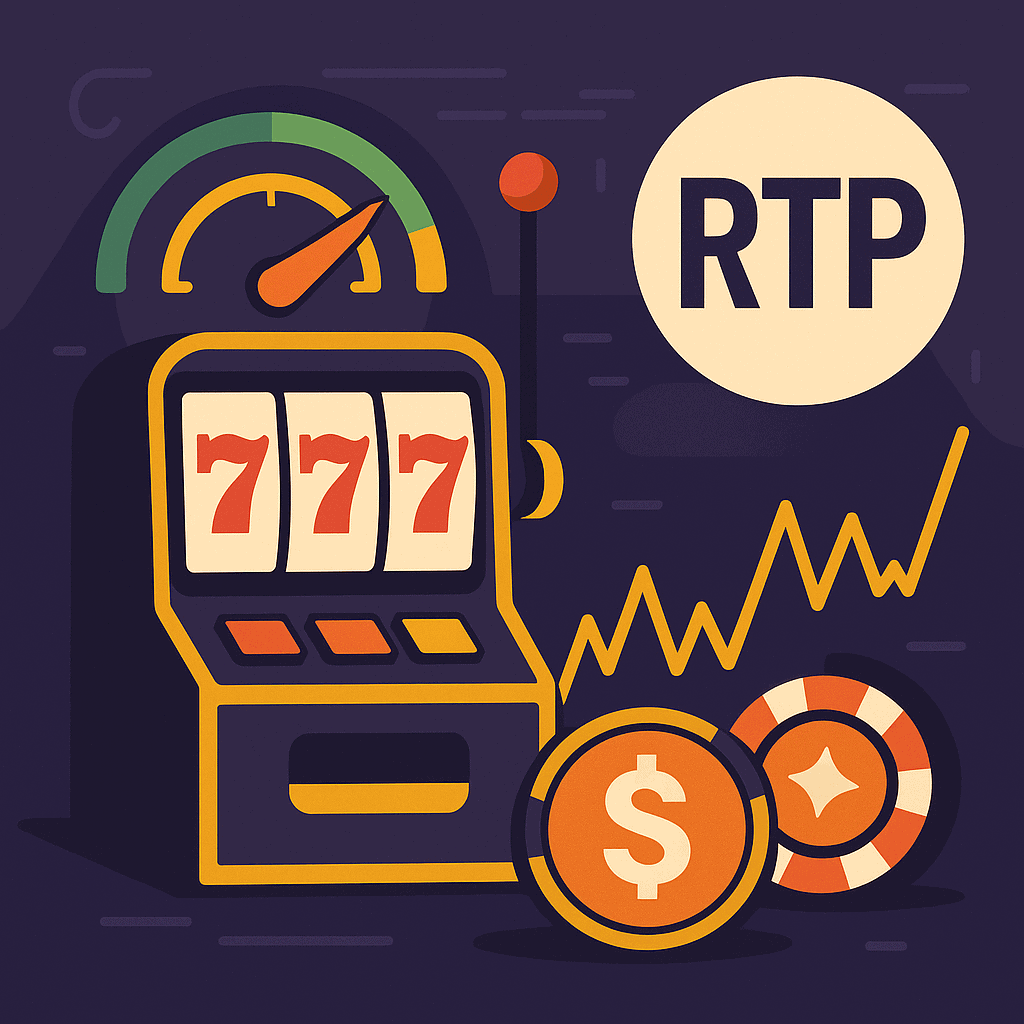
What RTP Actually Means
RTP, or Return to Player, is the percentage of wagered money a slot is expected to return to players over the long run. For example, a slot with 96 percent RTP will, on average, return $96 for every $100 wagered. This figure is calculated over millions of spins and does not reflect short-term outcomes.
RTP is set by game developers and approved by licensing authorities. It can vary depending on the jurisdiction and sometimes even between operators, especially in multi-RTP slot versions. While a high RTP might seem like a good deal, it does not guarantee better chances in a single session. Players often overestimate its relevance in short bursts of play.
The Role of Volatility
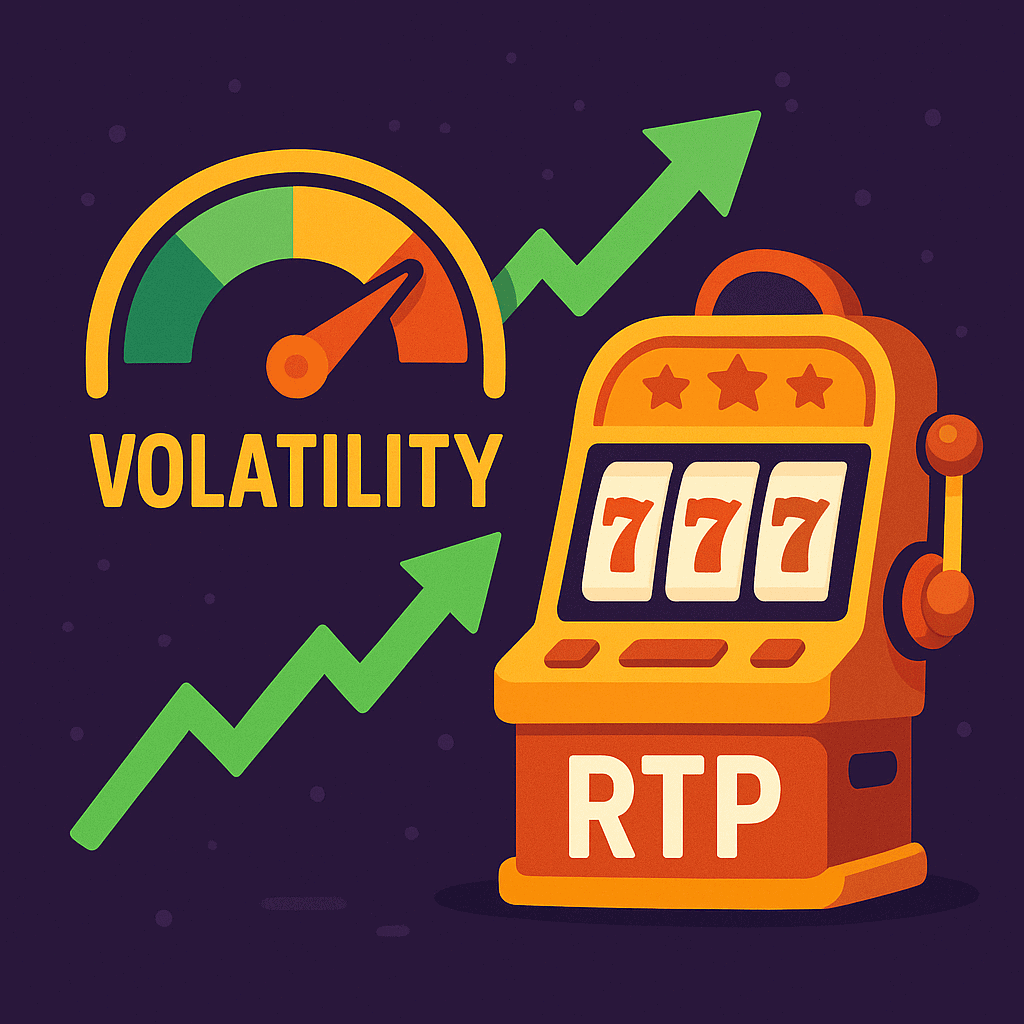
Volatility, sometimes called variance, measures how often and how much a slot pays out. High-volatility games deliver fewer wins, but those wins tend to be larger. Low-volatility slots offer more frequent, smaller payouts.
For casual players with limited budgets, low volatility may extend playtime and provide a steady experience. High-volatility slots suit risk-takers looking for big hits, but they often involve long losing streaks. Understanding volatility allows players to align slot choice with their risk tolerance and expectations.
How RTP and Volatility Interact
RTP and volatility work together but describe different aspects of gameplay. Two slots might have the same RTP but feel dramatically different due to volatility. For instance, a 96 percent RTP high-volatility game might deliver one big win after a long dry spell, while a low-volatility slot with the same RTP spreads returns more evenly.
This interplay influences session results, making it possible to lose quickly or win early, regardless of the theoretical RTP. Many players misunderstand this, expecting stable returns simply because of a high RTP percentage.
Why It Matters for Player Strategy
Most players do not dig into slot mechanics before spinning. However, those who do can choose games more suited to their goals. A player chasing entertainment and longer sessions may prefer low-volatility, mid-RTP games. Those seeking adrenaline and jackpot potential might go for high-volatility options, accepting the higher risk.
Some operators now display volatility and RTP more transparently to encourage informed decisions. Game providers also experiment with flexible RTP levels for different markets, adapting gameplay profiles accordingly.
Final Thought
Understanding RTP and volatility offers more than just trivia. It gives players realistic expectations and control over how they engage with slots. While it does not change the odds, it helps match game mechanics with playing style.